
Accessory Dwelling Units (ADUs) have become increasingly popular in Los Angeles as a solution to the city’s housing shortage and a way for homeowners to maximize their property’s potential.
In September 2024, Gov. Newsom signed Senate Bill 1211, which will take effect in early 2025. This new law expands the number of detached ADUs that can be built on multifamily properties from 2 to 8 units and disallows local governments from requiring replacement parking.
What does this new law mean for multifamily property owners with current ADUs or those looking to add one?
An Accessory Dwelling Unit (ADU) is a secondary housing unit built on the same lot as a primary residence. Commonly known as granny flats, in-law units, or backyard cottages, ADUs can be attached to the main house, detached, or converted from existing structures like garages. They offer a flexible and relatively affordable way to increase housing options without needing large-scale developments.
Under pre-existing law (before SB 1211), multifamily property owners could add two detached ADUs to their properties, plus interior ADUs up to 25% of existing units. Interior ADUs could not add new square footage and had to be built “within the portions of existing multifamily dwelling structures…storage rooms, boiler rooms, passageways, attics, or garages.”
The City of LA encourages the building of ADUs through regulations, such as the City’s Accessory Dwelling Unit Ordinance (Ord. 186,481), adopted on December 11, 2019, and LAMC Section 12.22A.33. This new section includes local development standards and requirements for ADUs, Junior Accessory Dwelling Units (JADUs), and Movable Tiny Houses (MTHs). Definitions of each can be found here.
In LA, there are several types of ADUs you can consider building on your property, each with its own benefits and design considerations:
Within these types, there are specific ways to build or convert existing spaces to an ADU, including:
Despite being popular, the previous state ADU legislation still hindered ADU adoption. Multifamily properties without large unused interior spaces, such as garages and storage spaces, did not qualify for state ADU streamlining beyond two detached ADUs. Property owners would have to replace surface parking for ADU construction, which made many potential ADU projects infeasible.
SB 1211 raises the cap on detached ADUs from 2 to 8 units as long as they don’t outnumber the units in the main building. It also prohibits local governments from mandating the replacement of surface parking. Property owners can replace parking lots with up to 8 ADUs, following state rules for setbacks and height.
For more significant properties with more than 32 units, the “25% of existing units” cap still applies. Revival ADU has put together an excellent breakdown of the new regulation opportunities:
 Source: Revival ADU
Like much of California, Los Angeles faces a severe housing shortage that has driven up prices and made it difficult for many to find affordable housing.
ADUs are beneficial because:
While ADUs offer many benefits, there are also challenges to consider:
Upfront Costs: Building an ADU requires a significant upfront investment, which may not be feasible for all homeowners.
One cost requirement is solar panels for all newly constructed, detached ADUs in Los Angeles. The solar panels can be installed on the primary residence or the ADU and must be able to offset the ADU’s annual electricity consumption.
Navigating Permits and Regulations: While the permitting process is streamlined, it can still be complex and time-consuming, especially if your property has unique constraints.
Neighborhood Concerns: Residents are commonly concerned about increased density, potential parking issues, and changes in neighborhood character.
The cost of building an ADU in Los Angeles can vary widely depending on the type, size, and materials used. On average, homeowners can expect to spend between $100,000 and $300,000 for a basic ADU, with costs potentially rising for larger, more customized units. Financing options such as home equity loans, cash-out refinancing, and specialized ADU loans can help manage these costs.
While Los Angeles has made it easier to build ADUs, there are still some key regulations and requirements you need to be aware of:
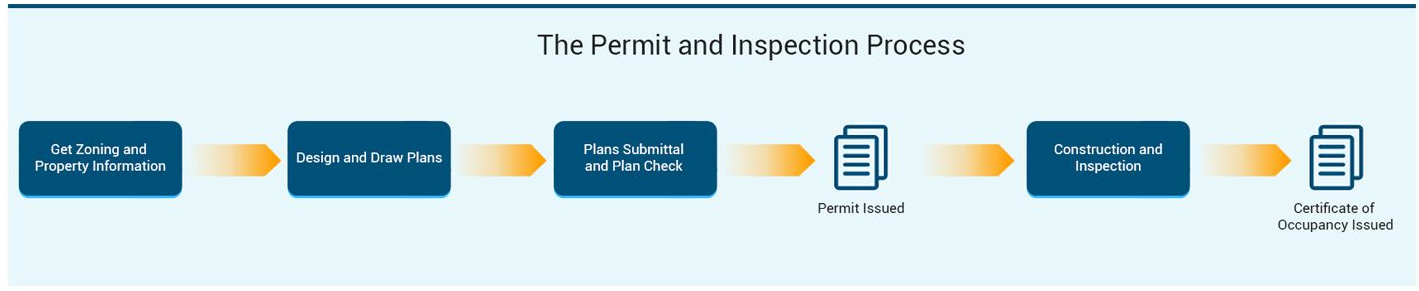
LADBS provides an overview of the permitting and inspection process for ADUs (also see below).
ADUs offer a valuable opportunity for Los Angeles homeowners to contribute to the city’s housing supply, generate rental income, and better use their property. Whether you’re considering building an ADU to house a family member or to generate rental income, understanding the basics of ADUs, the building process, and local regulations is key to a successful project.
By navigating the steps thoughtfully and staying informed about local requirements, you can transform your property with an ADU that adds value to your home and helps address Los Angeles’s ongoing housing challenges.


